De-Addiction
04.
De-Addiction
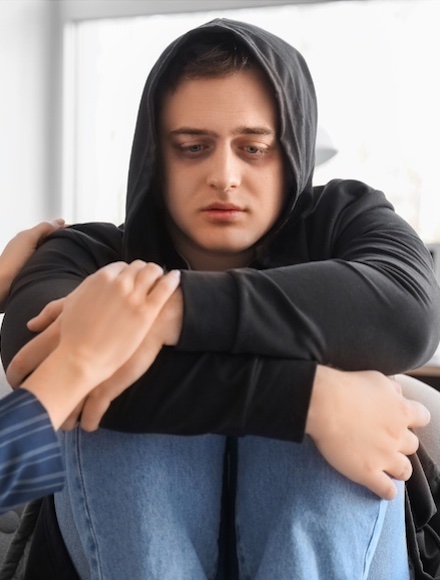
Compulsive use of pleasurable stimuli in spite of negative outcomes is a hallmark of addiction, a chronic illness. Substances like alcohol, tobacco, and drugs may be involved, as may actions like gambling and internet use. The process of breaking free from such dependencies and regaining mental, emotional, and physical health is known as de-addiction. Addiction is viewed in Ayurveda as a mental imbalance of Tridoshas, particularly Rajas and Tamas, which results in disrupted Manasika Bhavas (mental abilities).
Cause of De-Addiction
Main causes are genetic predisposition: family history increases susceptibility, psychological stress: depression, anxiety, trauma, or unresolved emotional issues, peer pressure and social environment, availability and early use of addictive substances and neurochemical imbalance in brain pathways related to reward and pleasure. Ayurveda views addiction as a result of Prajnaparadha (intellectual blasphemy) - knowingly engaging in harmful activities. The primary causes in ayurveda are improper contact of senses with their objects, traumatic or emotional distress, physical and mental pain, suffering, or stress, Impaired digestive/metabolic fire leading to accumulation of toxins (Ama), overindulgence in sensory pleasures and dominance of Rajas and Tamas gunas (passion and inertia) in the mind.
Signs and Symptoms :
Addiction presents with a range of physical, behavioral, and emotional signs. They are craving and compulsive use of the substance, withdrawal symptoms when not using, neglect of responsibilities and personal hygiene, mood swings, irritability or aggression, increased tolerance requiring higher doses, isolation from social and family life, physical symptoms: weight loss, fatigue, tremors, etc. From an Ayurvedic perspective, these symptoms are linked with Manasika Vikara (mental disorders), Ojakshaya (depletion of vital energy), and imbalance of Vata-Pitta doshas.
De-Addiction Ayurveda Perspective :
- Shodhana Chikitsa (Detoxification): Panchakarma therapies like Vamana, Virechana, Nasya, and Basti are used to eliminate accumulated toxins.
- Internal medications:Use of herbal medicines to balance the disturbed tridoshas and the manasika doshas and thereby maintaining the normalcy.
- Satvavajaya Chikitsa (Mental Healing): Psychological counseling and behavioral therapy, Developing positive habits and mental control through meditation and Yoga. The practice of pranayama helps in mental balance.
- Rasayana Therapy: Medhya Rasayanas are certain herbal and mineral drugs that act as brain tonic and help in mental rejuvenation and Improves Ojas (vital essence), boosts immunity, and strengthens the nervous system.
- Lifestyle and Diet Recommendations: Following Dinacharya (daily regimens) and Ritucharya(seasonal regimens) and cultivation of wholesome diet and lifestyle and abstaining from unhealthy habits.
Addiction is a complex illness that impacts the body, mind, and spirit. Addiction is treated by Ayurveda as a spiritual and psychological disorder in addition to a physical illness. Ayurveda provides a long-term, all-natural route to self-transformation and addiction recovery through detoxification, herbal remedies, renewal, therapy, and spiritual elevation.
Authentic Ayurvedic therapies that detoxify, rejuvenate, and restore balance naturally.
Specialized programs like Swarna Prashanan, Abhyanga, and Panchakarma for holistic healing.